Garage Door Opener Repair for Power Outages: What to Do
- COMMERCIAL GARAGE DOOR REPAIR
- GARAGE DOOR OPENER INSTALLATION
- GARAGE DOOR SPRING REPAIR
- SAME-DAY GARAGE DOOR REPAIR
- CUSTOM GARAGE DOOR
- GARAGE DOOR OPENER REPAIR
- GARAGE DOOR TRACK REPAIR
- GARAGE DOOR CABLE REPAIR
- GARAGE DOOR PANEL REPAIR
- LOCAL GARAGE DOOR REPAIR
- GARAGE DOOR REPLACEMENT
- NOISY GARAGE DOOR FIX
- GATE REPAIR
- GARAGE DOOR INSTALLATION
- GARAGE DOOR SECTION REPLACEMENT
- OVERHEAD GARAGE DOOR REPAIR
Garage Door Opener Repair for Power Outages: What to Do
Few things are more frustrating than rushing to leave for work only to find your garage door won’t open because the power is out. Storms, grid failures, or tripped breakers can instantly turn a convenient automatic door into a heavy, immovable wall. While modern openers are reliable, they are completely dependent on electricity unless you have a backup system. At Reynoldsburg Garage Door Repair, we often receive frantic calls from homeowners who feel trapped in their own garages during electrical failures. Knowing how to handle your door safely during an outage not only gets your car out but also prevents damage that could lead to costly repairs later.
Disconnecting the Door from the Opener
The first step in navigating a power outage involves manually disconnecting the garage door from the automatic opener carriage. Every modern garage door system features an emergency release cord, which is almost always a red handle hanging from a rope near the center track. This mechanism allows you to bypass the motor and operate the door by hand.
To engage the manual mode, ensure your garage door is fully closed. Attempting to release the cord while the door is open is extremely dangerous. If the spring is broken or not balanced correctly, an open door can crash down with crushing force the moment you pull the release. Once you confirm the door is down, pull the red handle firmly down and back towards the motor. You should feel a click or see the mechanism disengage from the trolley track. This action frees the door from the chain or belt drive, allowing you to lift it manually. If the door feels incredibly heavy or refuses to budge, stop immediately. A door that is too heavy to lift often signals a broken spring rather than just a power issue, and forcing it will likely cause injury.
Reconnecting the Opener When Power Returns
Once the lights come back on, you need to reconnect the door to the automatic system to resume normal operation. Many homeowners struggle with this step, often believing they need a garage door opener repair service because the remote isn’t working. In reality, the motor is simply spinning the chain without grabbing the door.
To reconnect, pull the emergency release cord toward the door opening to snap the spring lever back into the “engaged” position. Then, you have two options. You can manually lift the door until you hear it click back into the trolley, or you can press your wall button or remote control. As the trolley moves along the track, it will eventually collide with the attachment point on the door arm and lock itself back in place with a loud click. Test the door by running it through a full cycle. If the chain moves but the door stays still, the lever hasn’t fully engaged, and you need to pull the cord angle again.
Troubleshooting Post-Outage Issues
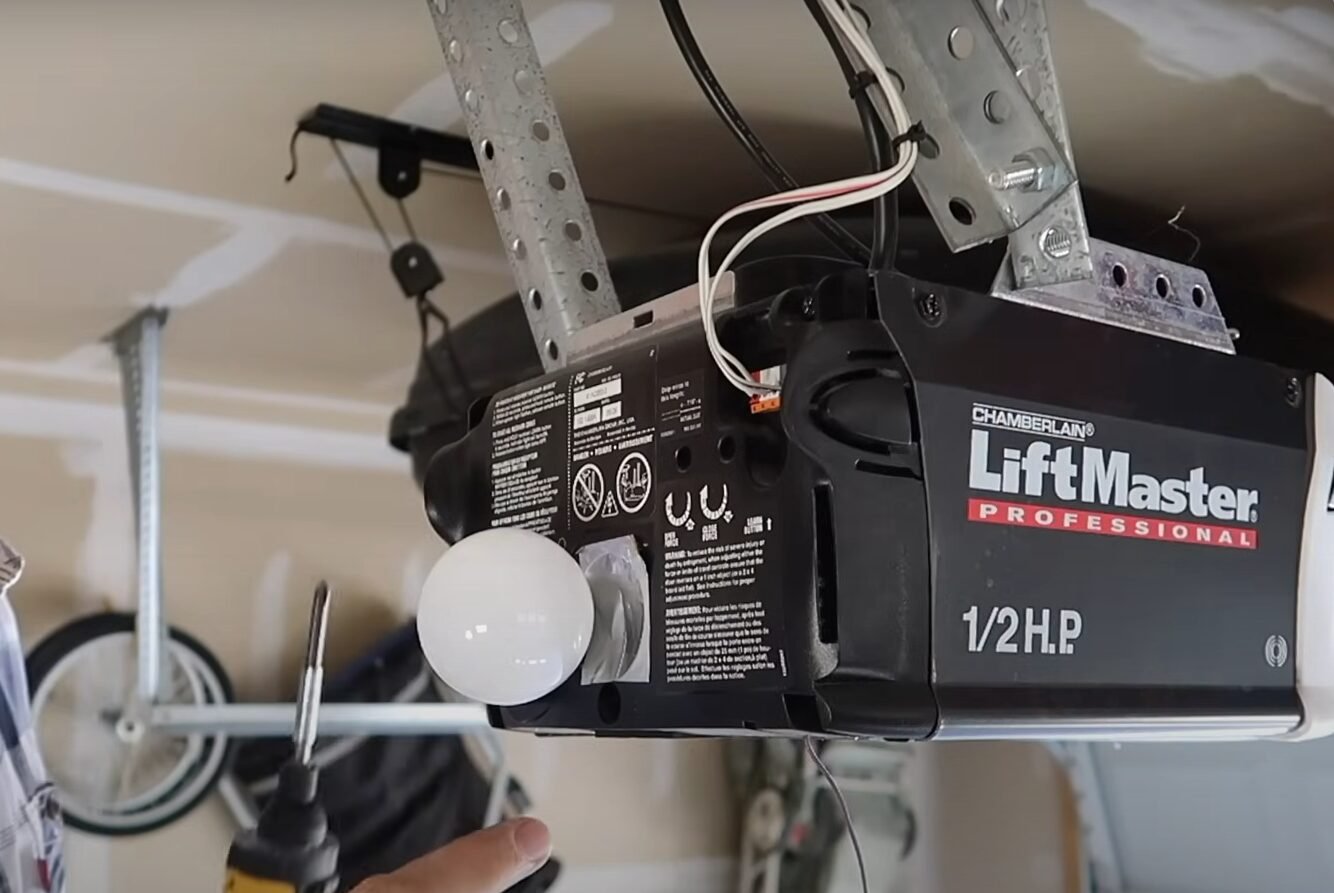
Power surges during an outage can sometimes damage your garage door opener’s sensitive electronics. If the power is back on but your opener isn’t working, start by checking your home’s breaker panel to see if the circuit tripped. If the outlet has power but the opener remains unresponsive, the surge might have damaged the logic board or another internal component.
Sudden power loss can also disrupt the door’s travel settings, which tell the opener when to stop. If your door reverses after hitting the floor or doesn’t close all the way, you’ll need to reset these limits. Your owner’s manual will have instructions on how to do this.
However, if you notice a smell of burnt plastic or hear the unit humming without moving, it’s a sign of a more serious electrical issue. In this case, it’s best to call a professional. Reynoldsburg Garage Door Repair can provide a comprehensive diagnosis to determine whether a simple part replacement is needed or if the entire unit needs to be replaced.